
What is the Best Age to Start Preschool? A Parent's Guide


Understanding Preschool Readiness
Deciding the right age for your child to start preschool can be a challenging decision for many parents. While there's no one-size-fits-all answer, understanding the signs of preschool readiness can help you make an informed choice. It's important to consider your child's emotional, social, and cognitive development.
Most children begin preschool between the ages of three and four. However, readiness depends on various factors, including your child's ability to interact with peers, follow simple instructions, and manage separation from parents.

The Benefits of Starting at Age Three
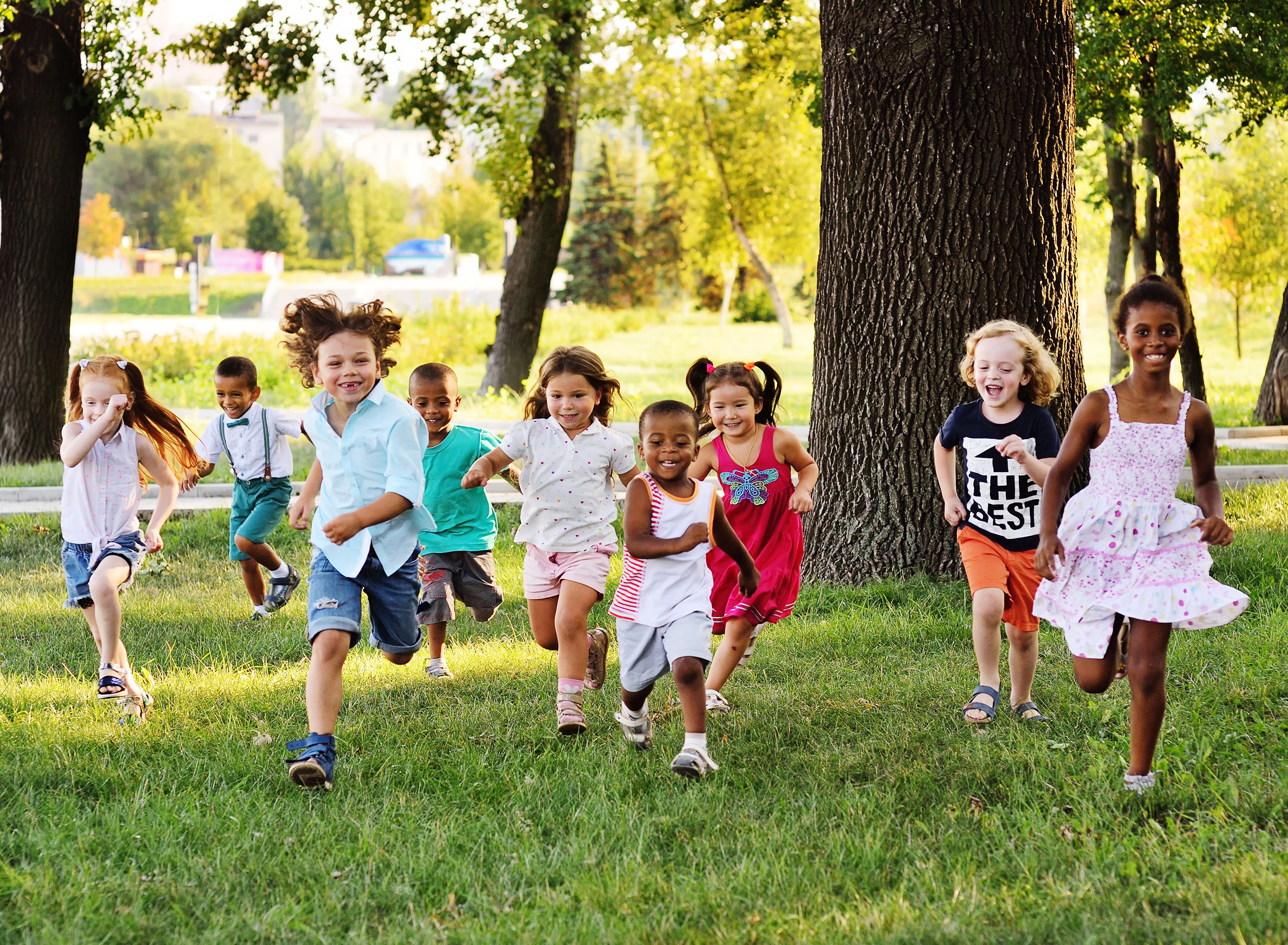
Starting preschool at age three can offer several advantages. At this age, children are naturally curious and eager to explore their environment. Engaging in structured activities can foster their cognitive and social skills, preparing them for future academic challenges.
Children who start preschool at three often benefit from early socialization, learning to share, take turns, and collaborate with others. This foundational experience can be crucial for their long-term development.

Considering a Later Start at Age Four
For some children, waiting until age four to start preschool may be more beneficial. This extra year allows for further emotional and social development, which can lead to a smoother transition into the preschool environment. Older children might find it easier to engage in structured learning activities and follow routines.
Starting at age four can also be advantageous for children who may need more time to develop language or motor skills, ensuring they are fully prepared to thrive in a classroom setting.
Factors to Consider
When deciding the best age to start preschool, consider the following factors:
- Emotional Readiness: Is your child comfortable spending time away from home?
- Social Skills: Can your child interact positively with other children?
- Independence: Is your child able to perform basic self-care tasks?
It's also essential to consider your family's schedule and the preschool's curriculum. Finding a program that aligns with your child's needs and interests can make a significant difference in their preschool experience.
Preparing Your Child for Preschool
Regardless of the age you choose, preparing your child for the transition to preschool is crucial. You can start by introducing them to group activities, reading books about preschool, and discussing what they can expect.
Building a routine that mimics the preschool schedule can also help your child adjust more easily. Encouraging independence in daily tasks will boost their confidence and readiness for this new adventure.
Final Thoughts
The decision of when to start preschool is a personal one and should be based on your child's unique needs and readiness. Trusting your instincts and considering the factors mentioned can guide you in making the best choice for your child's early education journey.
Ultimately, whether your child starts at three or four, ensuring they are supported and encouraged will set a strong foundation for their future learning experiences.