
Understanding the Importance of Early Childhood Education for Toddlers


Understanding the Importance of Early Childhood Education for Toddlers
Early childhood education plays a crucial role in a child's development. It lays the foundation for lifelong learning and success. By engaging toddlers in educational activities, we can nurture their natural curiosity and help them develop essential skills that will benefit them throughout their lives.
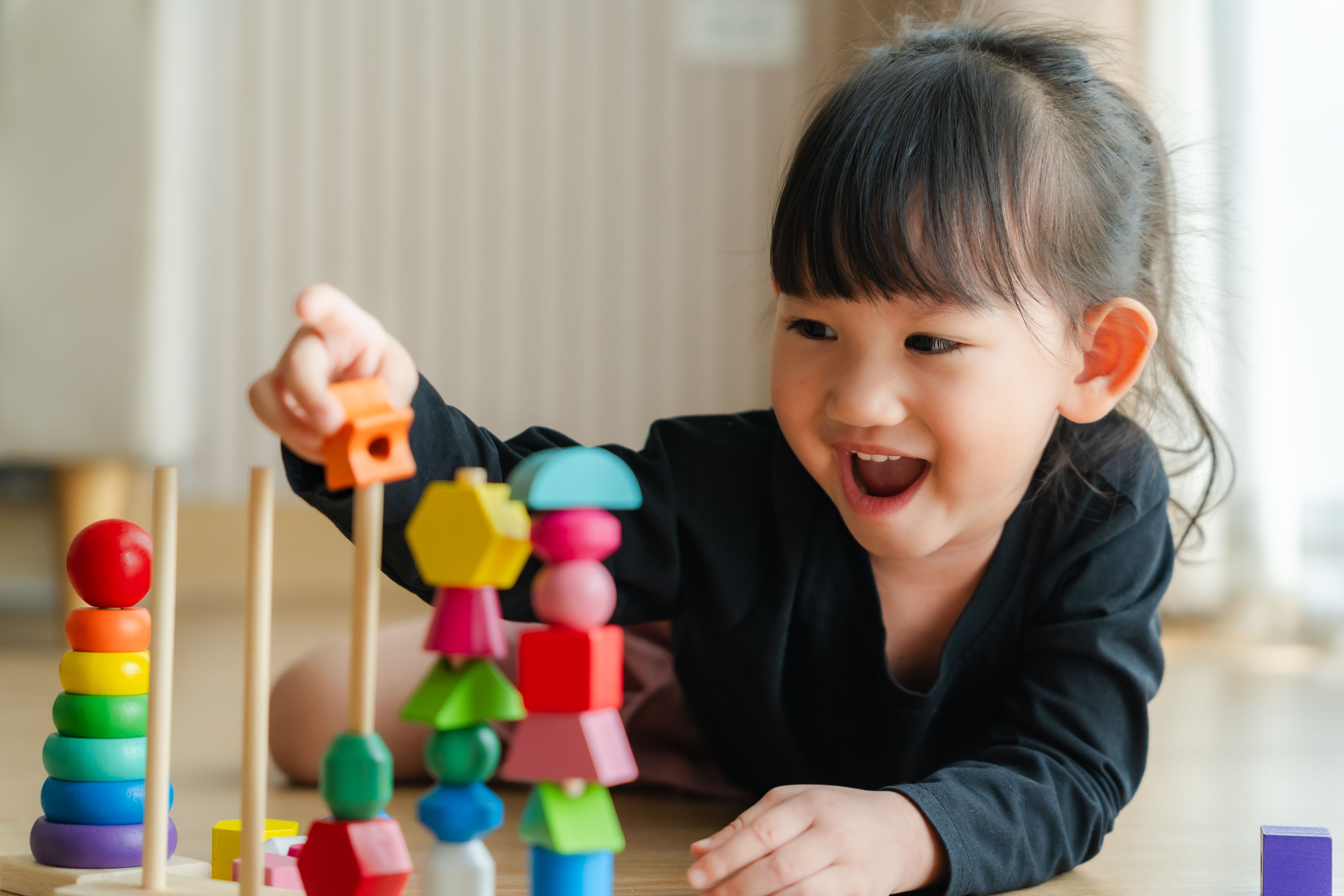
Enhancing Cognitive Skills
Toddlers are like sponges, absorbing information from their surroundings. Early education helps to enhance their cognitive skills by introducing them to basic concepts such as numbers, shapes, and colors. Through fun activities, they learn to solve problems and think critically, setting the stage for more complex learning in the future.
Moreover, structured learning environments provide toddlers with opportunities to explore and experiment, fostering creativity and innovation. Encouraging children to ask questions and express their thoughts helps build a strong cognitive foundation.

Building Social and Emotional Development
Another significant benefit of early childhood education is the development of social and emotional skills. Interacting with peers in a classroom setting teaches toddlers how to share, cooperate, and empathize with others. These experiences are invaluable for developing strong interpersonal skills.
Teachers play a vital role in guiding children through social interactions and helping them understand their emotions. This support is essential as it helps children build resilience and self-confidence, which are critical for personal growth.
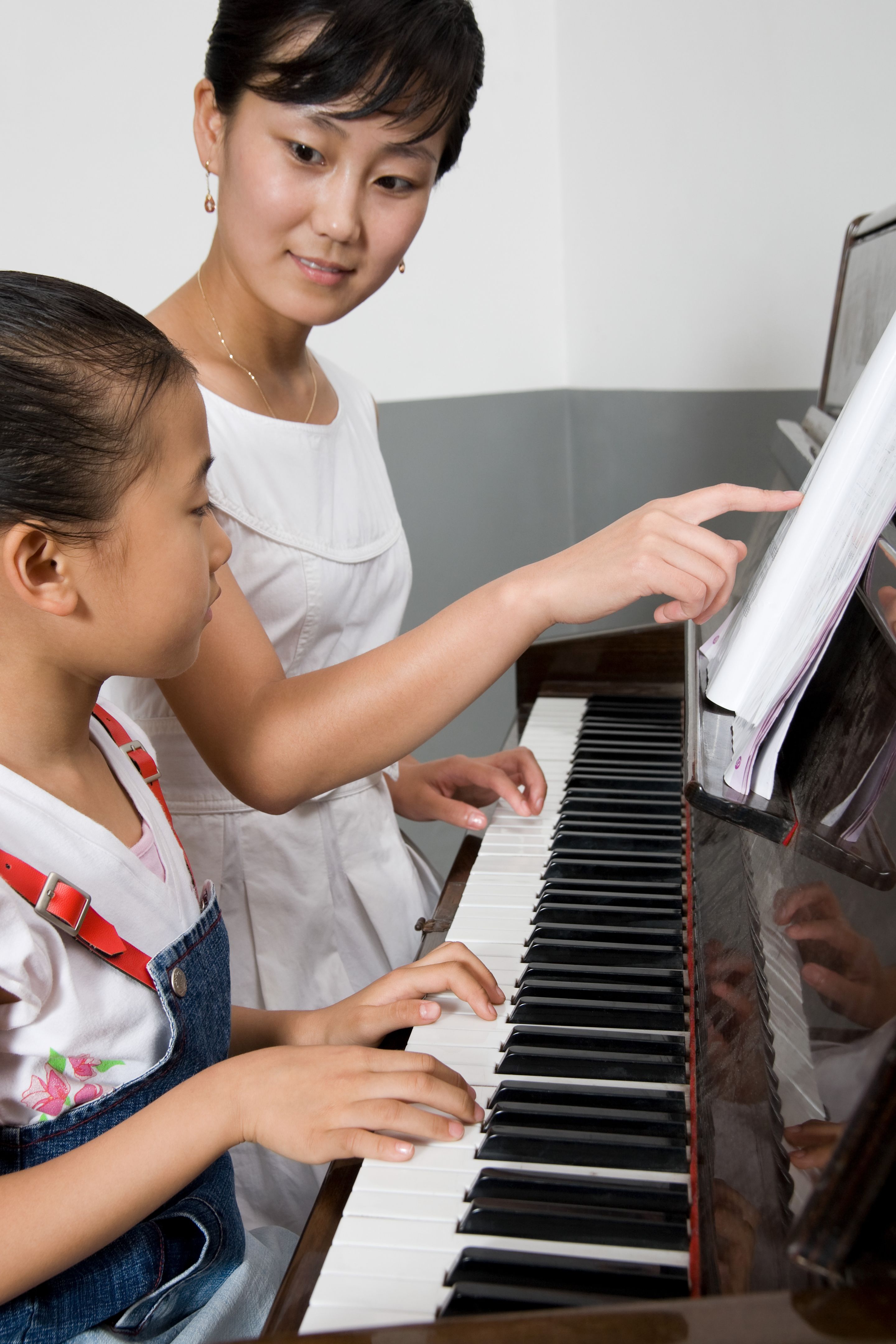
Nurturing Language and Communication
Language development is a crucial aspect of early childhood education. Engaging toddlers in storytelling, singing, and conversation helps expand their vocabulary and improve their communication skills. This early exposure to language is vital for literacy development and academic success.
By encouraging toddlers to express themselves and listen to others, early education fosters effective communication skills. These skills are essential for building relationships and succeeding in both academic and social settings.
Encouraging Physical Development
Physical development is also emphasized in early childhood education. Activities such as playing, dancing, and outdoor exploration help toddlers develop motor skills and coordination. These activities are not only beneficial for physical health but also contribute to cognitive and emotional well-being.
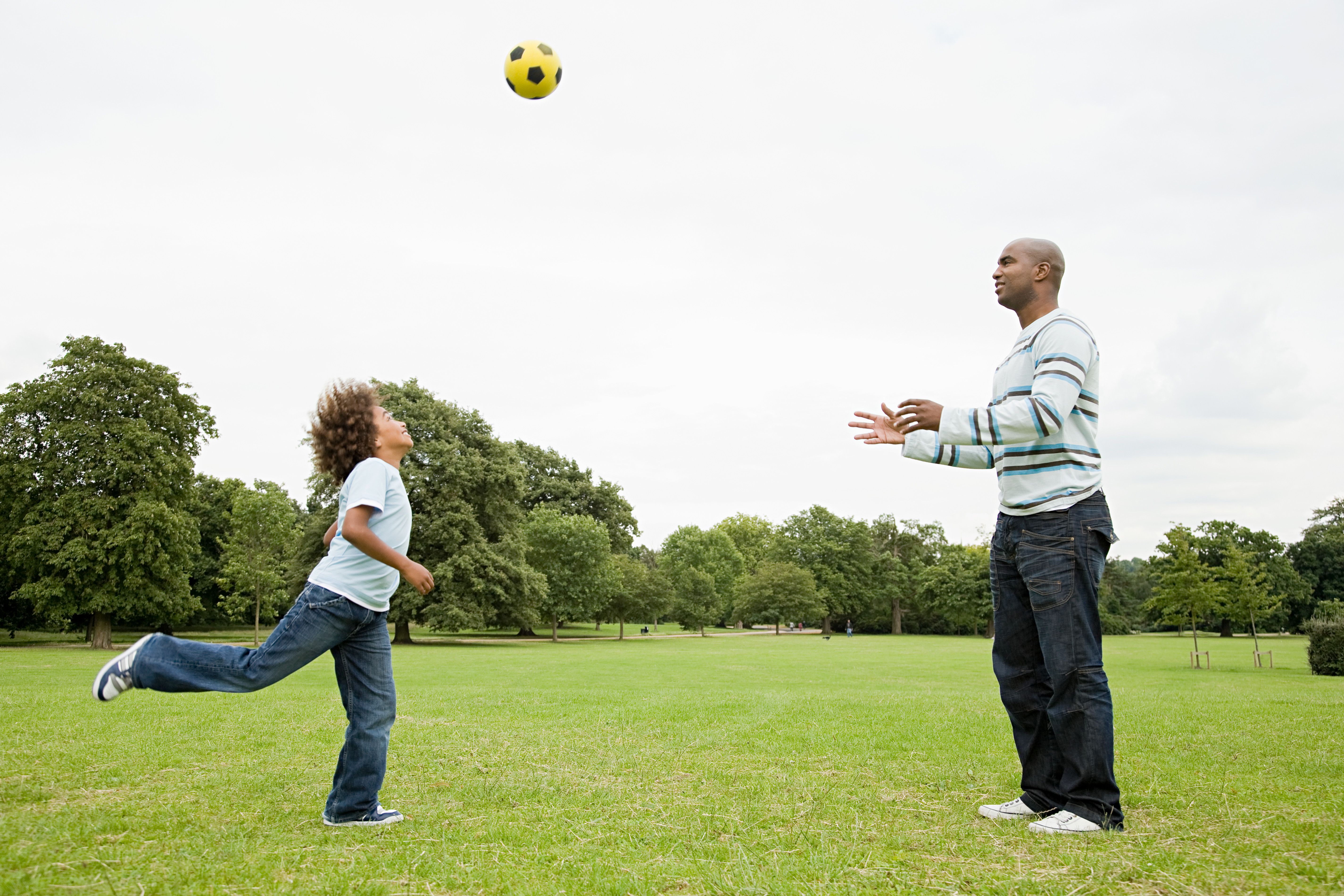
Engaging in physical activities helps toddlers release energy and develop a sense of discipline and focus. Encouraging active play is vital for building healthy habits that last a lifetime.
Preparing for Future Academic Success
Early childhood education provides toddlers with the tools they need to succeed in future academic endeavors. By building a strong foundation in cognitive, social, emotional, and physical skills, children are better prepared to tackle the challenges of formal schooling.
Parents and educators play a crucial role in this developmental stage, working together to create a supportive and stimulating environment. Investing in early education is a step toward ensuring a child's success and well-being in the future.