
The Benefits of Structured Learning Environments for Preschoolers


Introduction to Structured Learning
Structured learning environments are crucial in the early development stages of preschoolers. These settings provide a balanced mix of educational activities, fostering essential skills in young children. By integrating structured routines and guided learning, preschoolers can benefit from an environment that supports both academic and social growth.
Developing Social Skills
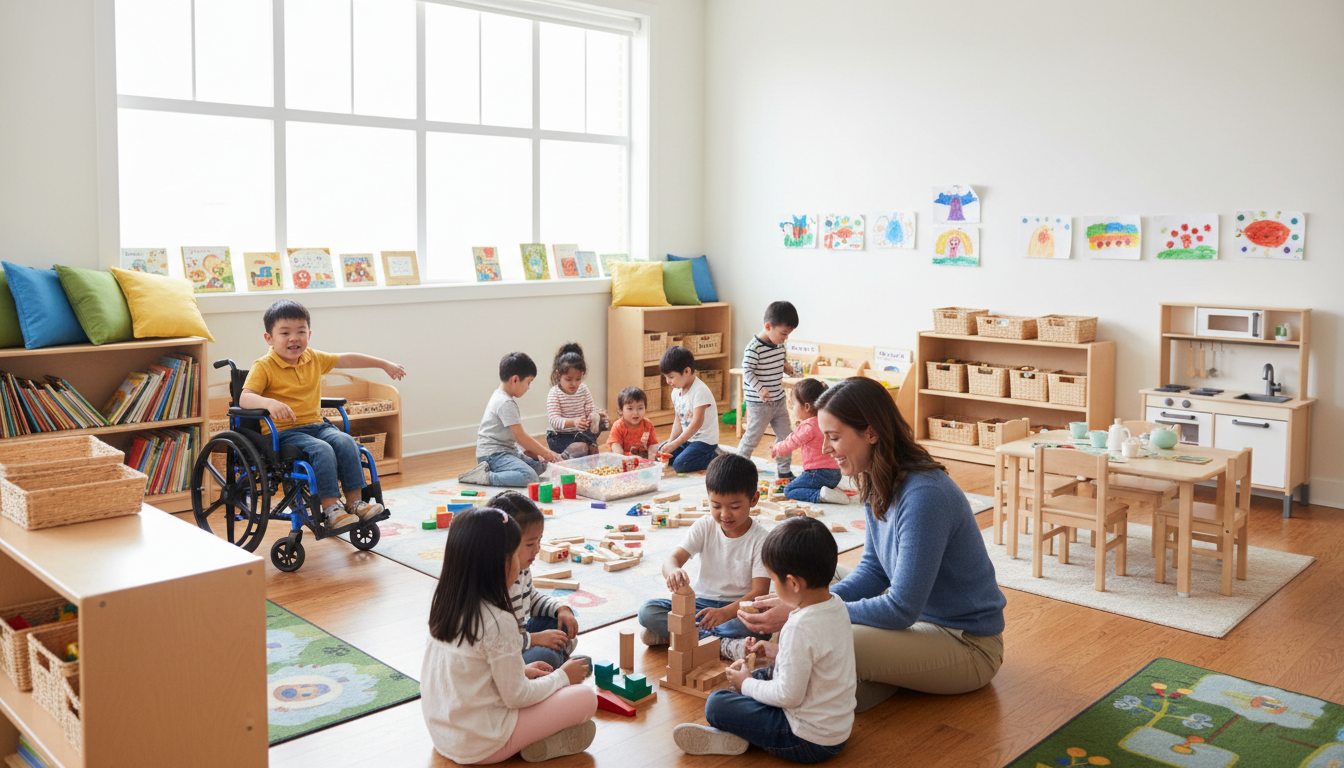
One of the primary benefits of structured learning environments is the enhancement of social skills. In these settings, children interact with peers, learning to share, cooperate, and resolve conflicts. These interactions are crucial for developing empathy and understanding the importance of teamwork.
Moreover, structured environments often include group activities that encourage children to communicate effectively and build friendships. This foundation in social interaction is vital as they progress through their educational journey.
Enhancing Cognitive Development
Structured learning environments provide a variety of activities that stimulate cognitive development. These activities are designed to enhance critical thinking, problem-solving, and decision-making skills. By engaging in tasks that challenge their minds, preschoolers can improve their ability to think independently and creatively.
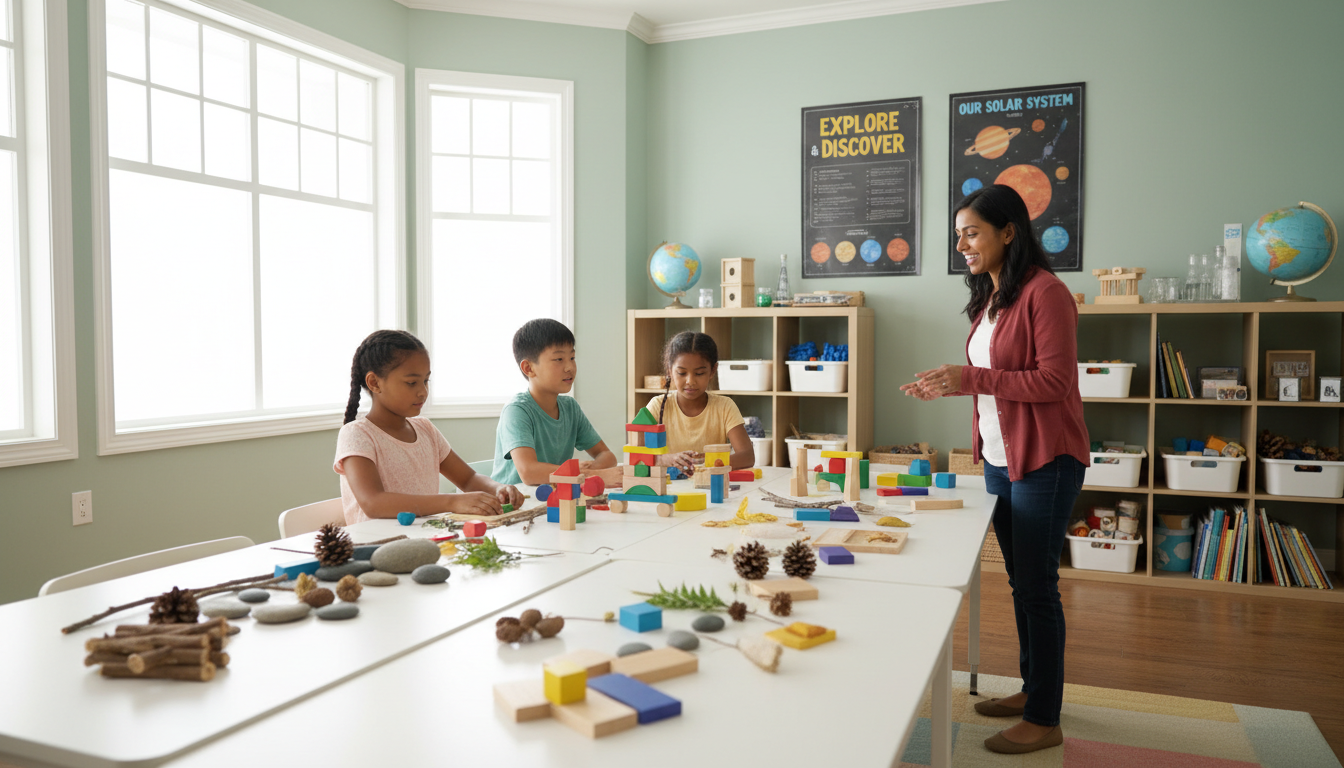
Teachers in structured classrooms use tailored lesson plans that cater to the unique learning styles of each child. This personalized approach ensures that every child receives the support they need to thrive intellectually.
Building a Strong Foundation for Academic Success
Early exposure to structured learning environments sets the stage for academic success. Children gain familiarity with a classroom setting, which eases the transition to formal schooling. They learn to follow instructions, complete tasks, and manage time effectively.
- Improved attention span
- Development of early literacy and numeracy skills
- Increased curiosity and love for learning
Encouraging Emotional Growth
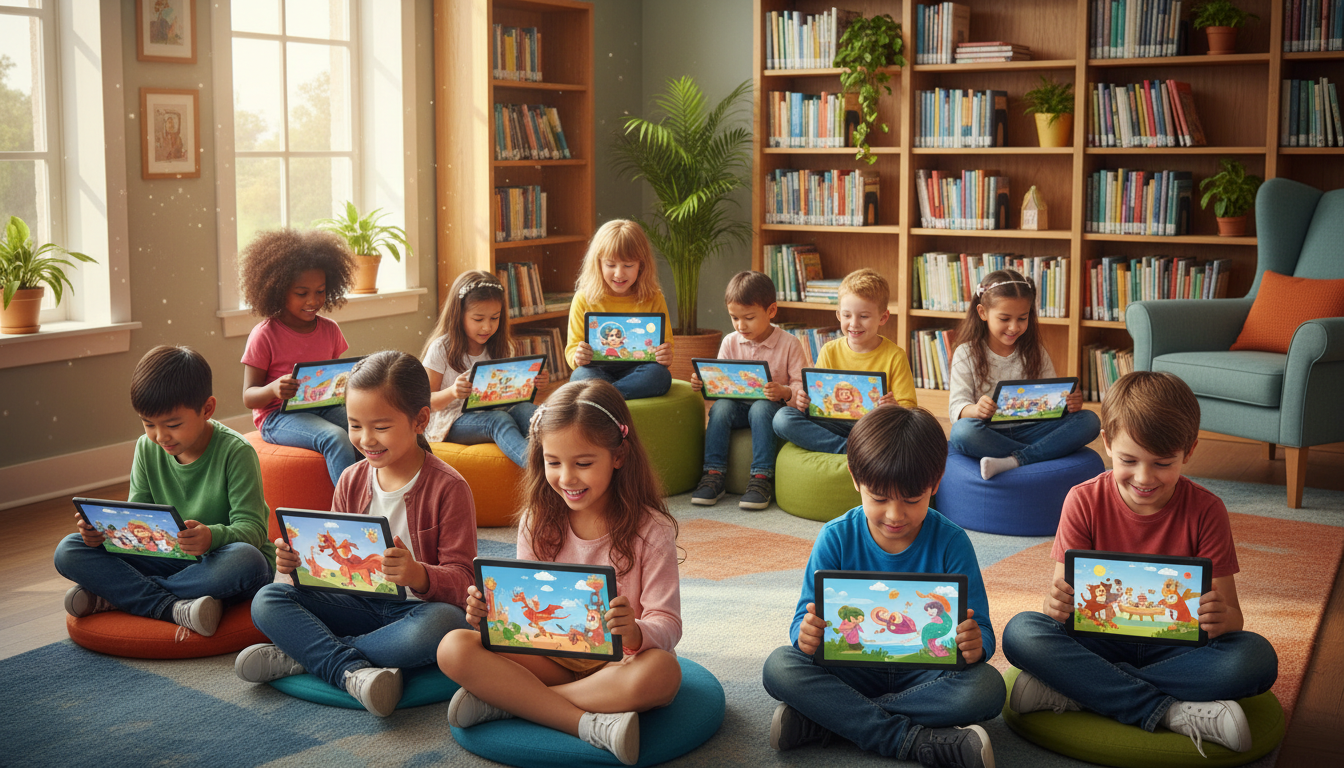
Structured learning environments also play a significant role in emotional development. By providing a safe and nurturing space, children learn to express their feelings appropriately and develop self-regulation skills. Teachers guide preschoolers through expressing emotions, which helps in building resilience and confidence.
These environments promote a sense of security and belonging, crucial for a child's emotional well-being. As children navigate through structured routines, they gain a sense of stability and predictability, which is comforting and essential for their growth.
Conclusion
The benefits of structured learning environments for preschoolers are undeniable. By fostering social, cognitive, academic, and emotional development, these settings prepare children for future success. Parents and educators must recognize the importance of structured learning and advocate for environments that support holistic growth in young learners.