
Seasonal Activities to Enhance Early Childhood Education


Introduction to Seasonal Activities
Engaging young children in seasonal activities is a fantastic way to enhance early childhood education. These activities not only make learning fun but also help children understand the world around them. By incorporating elements of the changing seasons, educators can create dynamic and memorable experiences.

Exploring Nature
Spring Adventures
Spring offers a wonderful opportunity for children to explore nature. Encourage kids to observe the blooming flowers and buzzing bees. Organizing a nature walk can be an exciting way to teach children about different plants and insects. Collecting leaves or flowers can also be a hands-on way to learn about nature.
Summer Fun
Summer is perfect for outdoor water activities. Setting up a small splash pool or organizing a water balloon toss can introduce basic physics concepts like buoyancy and gravity. Additionally, creating a small garden where children can plant seeds and watch them grow teaches responsibility and the life cycle of plants.

Creative Arts and Crafts
Autumn Crafts
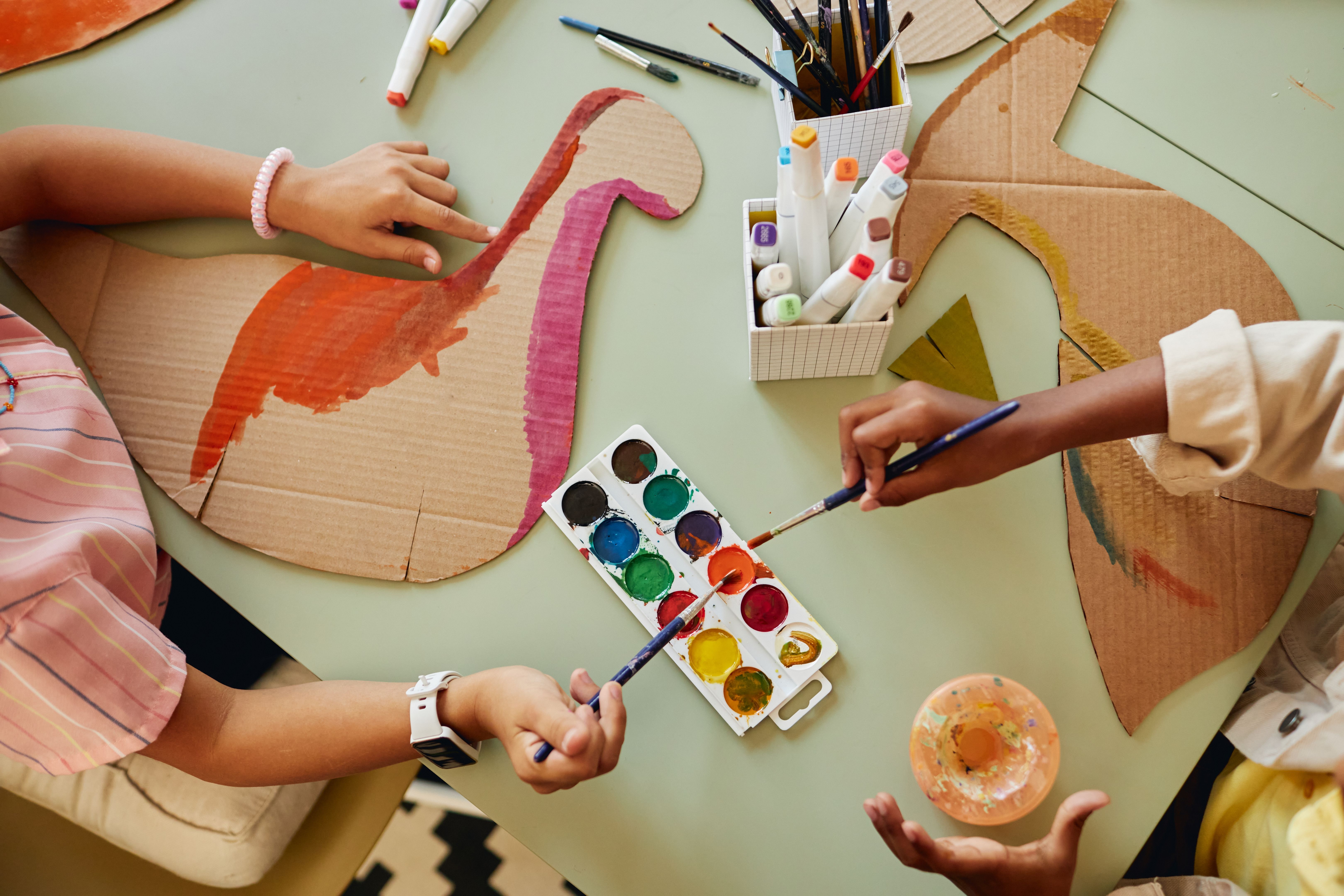
Autumn, with its vibrant colors, is ideal for arts and crafts. Children can create leaf rubbings or make collages with fallen leaves. These activities enhance fine motor skills and encourage creativity. Discussing the changing colors of leaves can also introduce basic concepts of seasons and weather.
Winter Wonders
During winter, indoor crafts like making snowflakes from paper or creating winter-themed drawings can be both fun and educational. These activities can improve hand-eye coordination and allow children to explore symmetry and patterns in a playful manner.
Storytelling and Music
Seasonal Stories
Reading stories related to each season can enhance children's language and comprehension skills. Choose books that highlight seasonal changes and cultural celebrations. Storytelling sessions can be interactive, encouraging children to express themselves and ask questions.
Music and Movement
Incorporating seasonal songs and dances can make learning about the seasons lively and engaging. For instance, singing songs about snow in winter or sunshine in summer can help children connect music with their environment. Movement activities can also develop gross motor skills and rhythm.

Conclusion: The Benefits of Seasonal Learning
Incorporating seasonal activities into early childhood education provides numerous benefits. It enhances not only cognitive and motor skills but also fosters a deeper understanding of the natural world. By making learning an enjoyable and interactive experience, children are more likely to retain information and develop a love for learning.