
Play-Based Learning Curriculum: How It Fosters Growth and Creativity


Understanding Play-Based Learning
Play-based learning is an educational approach that uses play as the primary method for teaching and learning. This approach is particularly effective in early childhood education, where children are naturally inclined to explore and discover through play. By engaging with their environment in a playful manner, children can develop various skills that are essential for their overall growth.
Research has shown that play-based learning not only enhances cognitive development but also supports emotional and social growth. Through play, children learn to interact with others, manage emotions, and solve problems creatively.

The Benefits of Play-Based Learning
Enhancing Cognitive Development
Play-based learning stimulates cognitive development by encouraging children to think critically and solve problems. When children engage in imaginative play, they are often faced with challenges that require them to think creatively and devise solutions. This process helps in developing their cognitive skills, such as memory, attention, and problem-solving abilities.
Fostering Social Skills
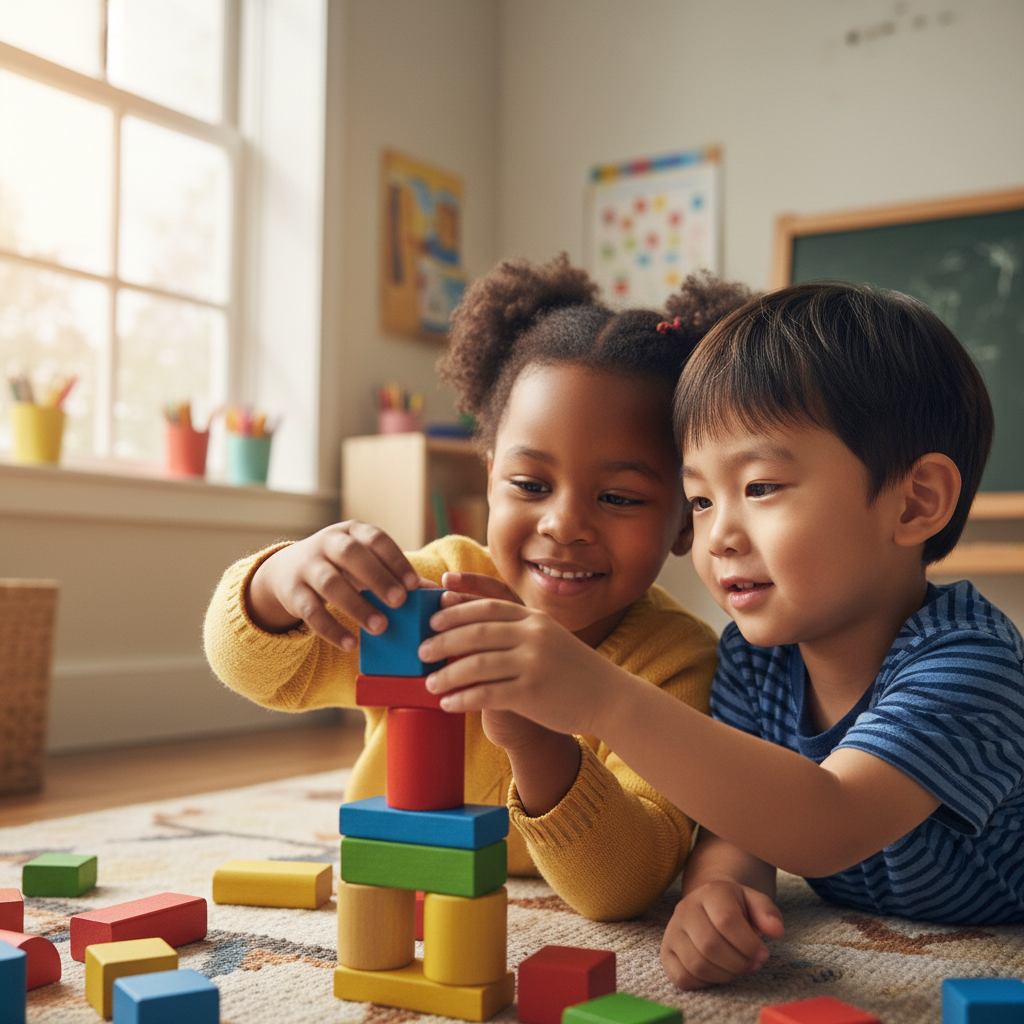
Social skills are crucial for a child's success in school and beyond. Play-based learning provides children with opportunities to interact with their peers, learn to share, and collaborate on projects. These interactions are vital for developing communication skills and understanding social cues.
Play-Based Learning and Creativity
Encouraging Imagination
One of the most significant benefits of play-based learning is its ability to foster creativity. By providing an environment where children can explore freely, they are encouraged to use their imagination. This imaginative play helps them to think outside the box and come up with innovative ideas.
Building Confidence
When children engage in play, they are often in control of their environment. This sense of control can lead to increased self-confidence, as they learn to trust their instincts and make decisions independently. Confidence is a key component of creativity, as it allows children to express themselves without fear of judgment.
Implementing Play-Based Learning
Creating a Stimulating Environment
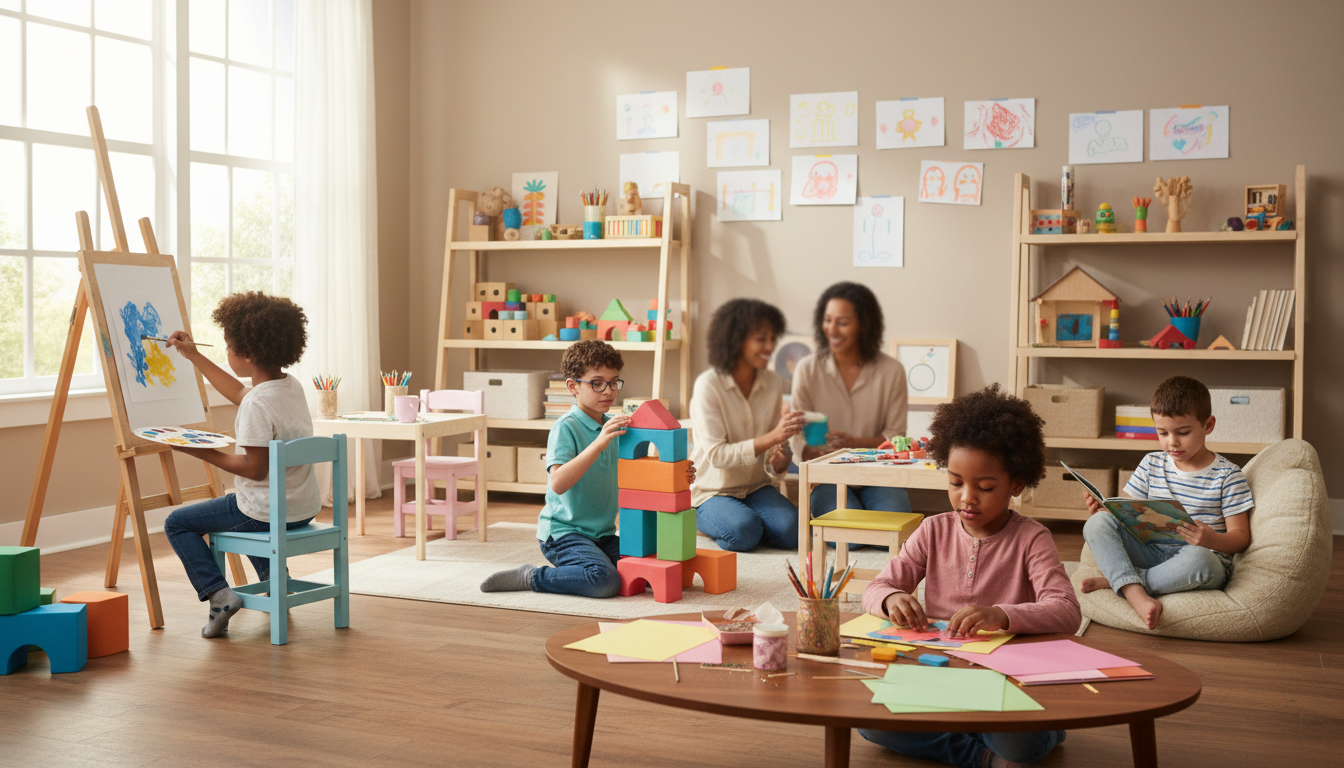
To implement a play-based learning curriculum effectively, educators need to create an environment that is rich in resources and opportunities for exploration. This includes providing various materials and tools that can stimulate a child's curiosity and encourage creative play.
- Open-ended toys that allow for imaginative use
- Art supplies for creative expression
- Outdoor spaces for physical play and exploration
Role of Educators
Educators play a crucial role in facilitating play-based learning. They must strike a balance between guiding children and allowing them the freedom to explore. By observing and interacting with children during play, educators can identify areas where a child may need support and provide the necessary resources to enhance learning.
In conclusion, play-based learning is a powerful approach that nurtures growth and creativity in children. By creating environments that encourage exploration and imaginative play, educators can help children develop essential skills that will serve them throughout their lives.