
Nurturing Young Minds: The Importance of Structured Learning Environments


The Role of Structured Learning Environments
Structured learning environments play a pivotal role in the cognitive and social development of young minds. By providing a well-organized and predictable setting, children can thrive and reach their full potential. Such environments offer consistency and stability, which are crucial for effective learning.
In a structured environment, students benefit from clear expectations and routines. This predictability helps reduce anxiety and allows children to focus on learning rather than uncertainty. Moreover, structured settings foster a sense of security, enabling children to explore new concepts with confidence.
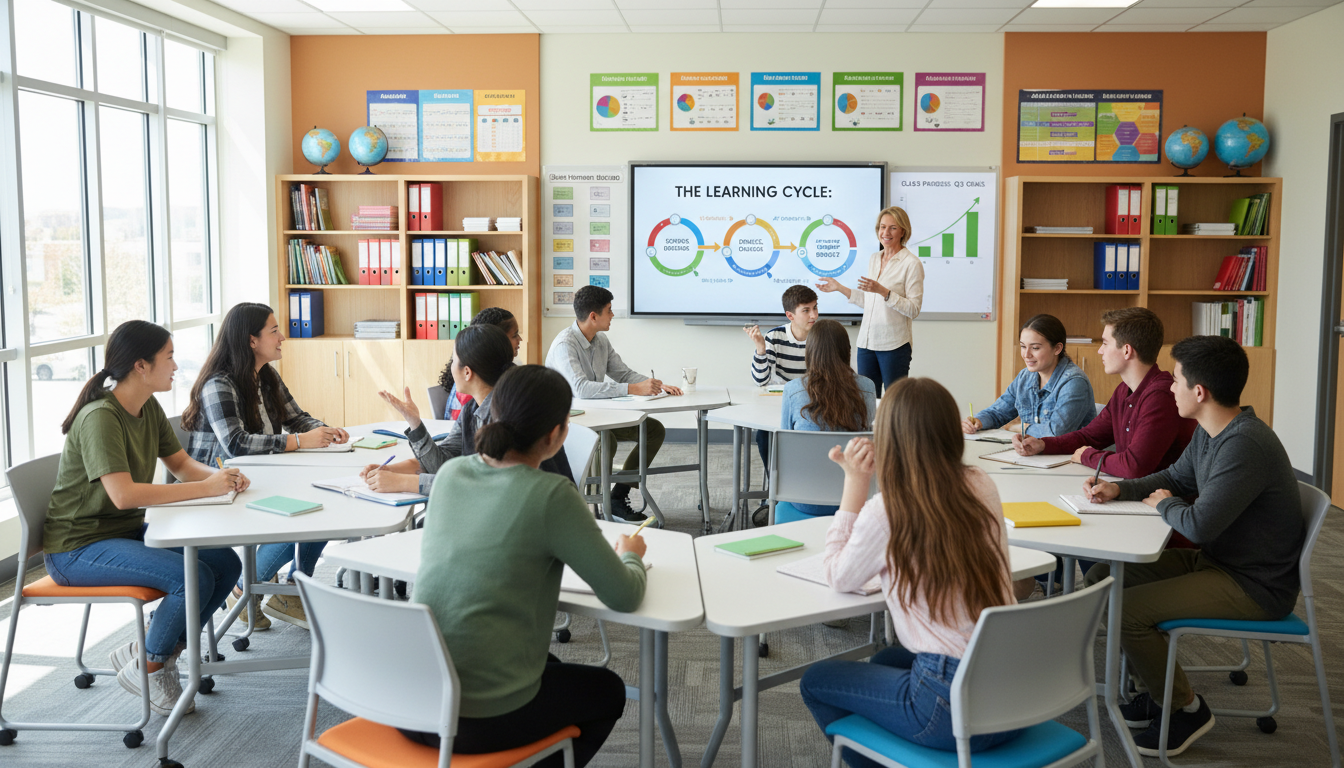
Benefits of Structured Learning
One of the key benefits of structured learning environments is the development of critical thinking skills. When children understand the framework within which they are learning, they can better engage in problem-solving and creative thinking. Structured environments also promote discipline, teaching children to manage their time and responsibilities effectively.
Another significant advantage is the enhancement of social skills. In a structured setting, children learn to interact with peers and adults in a respectful and cooperative manner. This interaction is vital for developing empathy, communication skills, and teamwork, which are essential for future success.
Implementing Structure in Educational Settings
Creating a structured learning environment requires careful planning and execution. Educators should establish clear rules and routines that are consistently enforced. This stability allows children to know what is expected of them and how to meet those expectations successfully.

In addition to rules and routines, the physical environment should be organized to support learning. Classrooms should be arranged to minimize distractions and maximize focus. Resources and materials should be easily accessible, encouraging students to take responsibility for their learning.
Incorporating Flexibility
While structure is essential, it's equally important to incorporate flexibility within the learning environment. This balance allows educators to adapt to the diverse needs of students. Flexibility encourages creativity and innovation, helping children to develop adaptive skills necessary for real-world challenges.

Teachers can achieve this by introducing varied instructional methods and activities. By doing so, they can cater to different learning styles and keep students engaged. Flexibility also involves being responsive to students' feedback and adjusting teaching strategies accordingly.
The Impact on Academic Achievement
The structured learning environment has been shown to positively impact academic achievement. Students in such settings often exhibit better concentration, higher motivation, and improved academic performance. Structured environments support effective teaching practices, which are directly linked to student success.
Ultimately, by nurturing young minds in structured learning environments, educators lay the foundation for lifelong learning and development. These environments not only enhance academic skills but also prepare children for the complexities of the modern world, ensuring they are well-equipped to face future challenges.