
How to Choose the Right Preschool: A Parent’s Guide


Understanding Your Child’s Needs
Choosing the right preschool starts with understanding your child's unique needs and personality. Consider whether your child thrives in structured environments or prefers more freedom to explore. Some children may benefit from a curriculum-focused program, while others might excel in a play-based setting. Knowing your child’s temperament can guide you in selecting a preschool that aligns with their learning style.

Location and Logistics
Location is a crucial factor in your decision. Consider preschools that are conveniently located near your home or workplace. Think about the drive time and how it fits into your daily routine. Additionally, check the preschool’s hours to ensure they accommodate your schedule. Some preschools offer extended hours, which can be beneficial for working parents.
Curriculum and Teaching Philosophy
Preschools vary in their educational approaches. Some focus on a structured, academic curriculum, while others emphasize play-based learning. Investigate the school’s teaching philosophy to ensure it aligns with your educational values. Ask about the daily schedule and how they incorporate activities like art, music, and outdoor play to support a well-rounded development.
Teacher Qualifications and Ratios
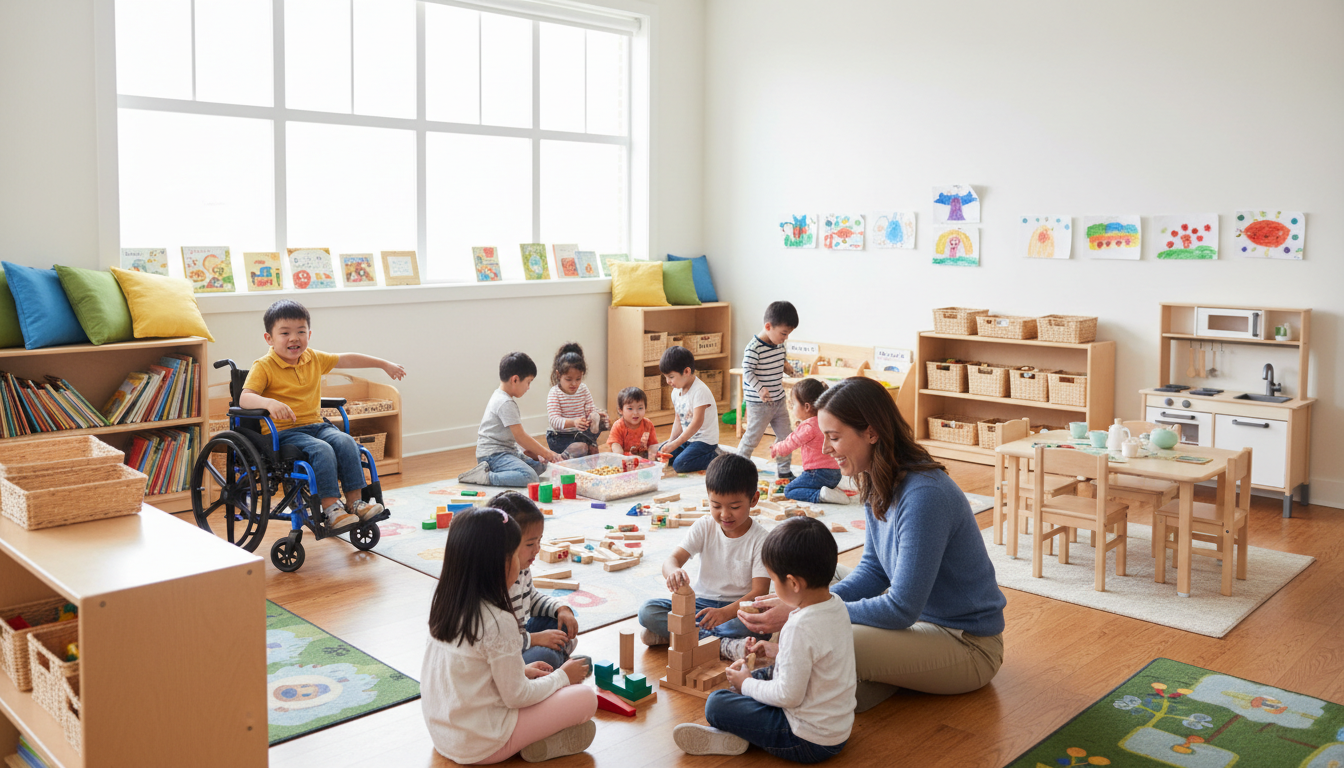
The qualifications of the teachers and the student-to-teacher ratio can greatly affect your child’s preschool experience. Look for preschools with experienced, certified teachers who have a passion for early childhood education. A low student-to-teacher ratio ensures that your child receives personalized attention and support.
Safety and Cleanliness
Your child’s safety is paramount. Visit potential preschools to observe their cleanliness and safety protocols. Check for secure entrances and well-maintained facilities. Inquire about their health and safety policies, including how they handle emergencies and whether they conduct regular drills.
Parent Involvement and Communication
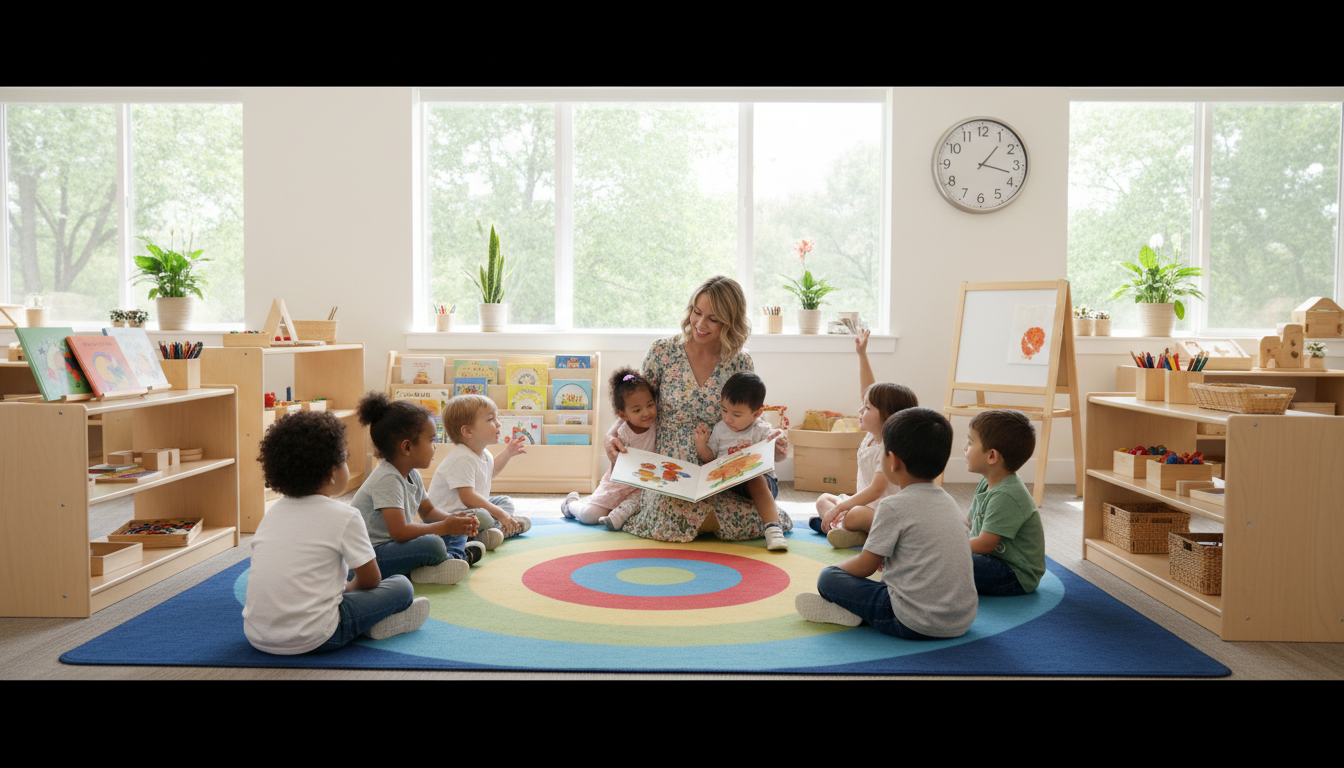
Consider how the preschool involves parents in the learning process. Schools that encourage parent participation can foster a stronger community and support network. Inquire about communication methods, such as newsletters or parent-teacher conferences, to stay informed about your child’s progress and any school updates.
Reputation and Reviews
Research the preschool’s reputation by talking to other parents and reading online reviews. Word-of-mouth recommendations can provide valuable insights into the school’s strengths and weaknesses. Additionally, check if the preschool is accredited by a recognized organization, which can be an indicator of quality.
Trust Your Instincts
Finally, trust your instincts. Visit the preschools you’re considering and observe how the staff interacts with the children. Pay attention to your child’s reaction to the environment. Your comfort and confidence in a preschool are essential for a successful and happy experience for your child.