Exploring the Latest Trends in Early Childhood Education


Introduction to Early Childhood Education Trends
Early childhood education is a dynamic field that continually evolves to meet the needs of young learners. As research and technology advance, new trends emerge, shaping how educators approach teaching and learning. Understanding these trends is crucial for educators, parents, and policymakers alike.
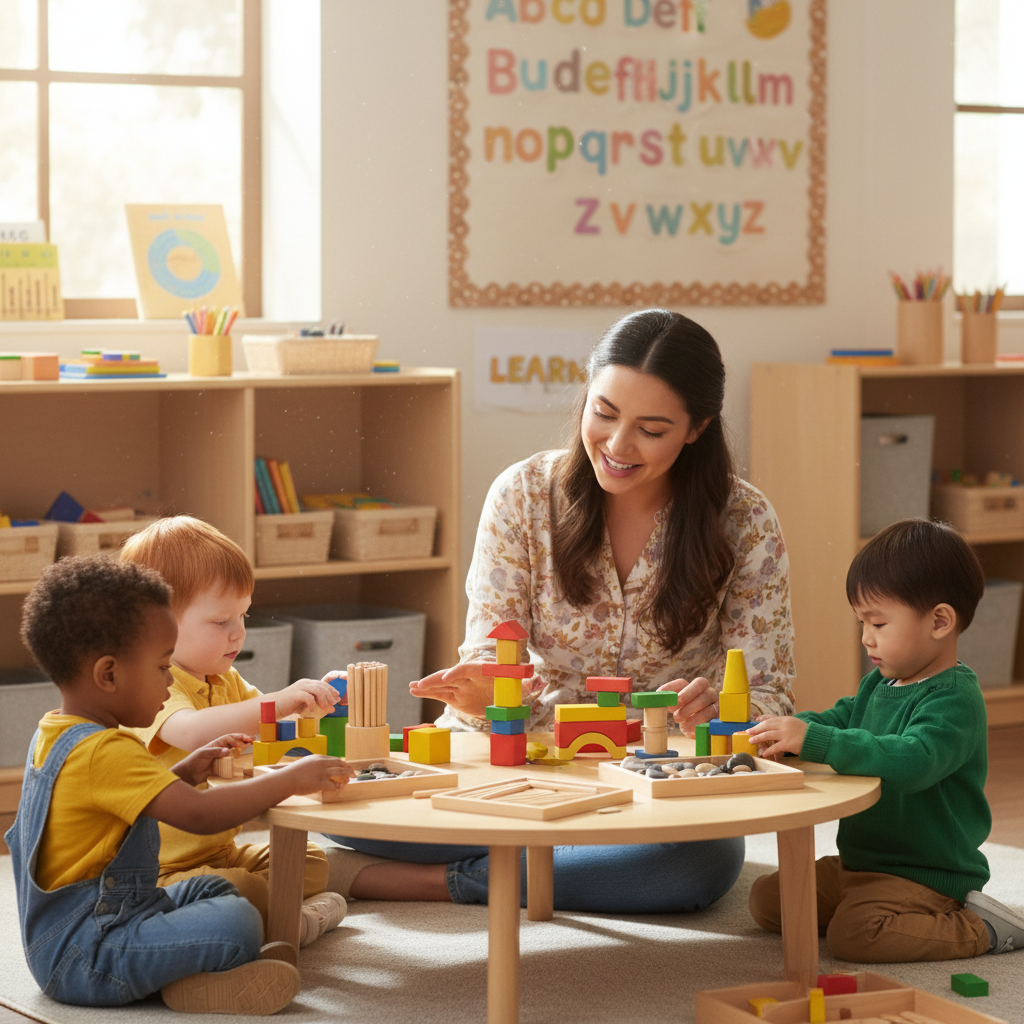
Embracing Technology in the Classroom
One of the most significant trends in early childhood education is the integration of technology. Digital tools, such as tablets and interactive whiteboards, are becoming commonplace, enabling more engaging and personalized learning experiences. These tools help develop digital literacy from a young age, preparing children for a tech-driven world.
Moreover, educational apps and games provide opportunities for children to learn through play. They offer interactive experiences that can enhance cognitive development and foster a love for learning. However, it's essential to balance screen time with traditional play and face-to-face interactions.
Focus on Social-Emotional Learning
Another emerging trend is the emphasis on social-emotional learning (SEL). This approach focuses on developing skills such as empathy, self-regulation, and collaboration. By integrating SEL into the curriculum, educators aim to nurture well-rounded individuals who can navigate social complexities with confidence.
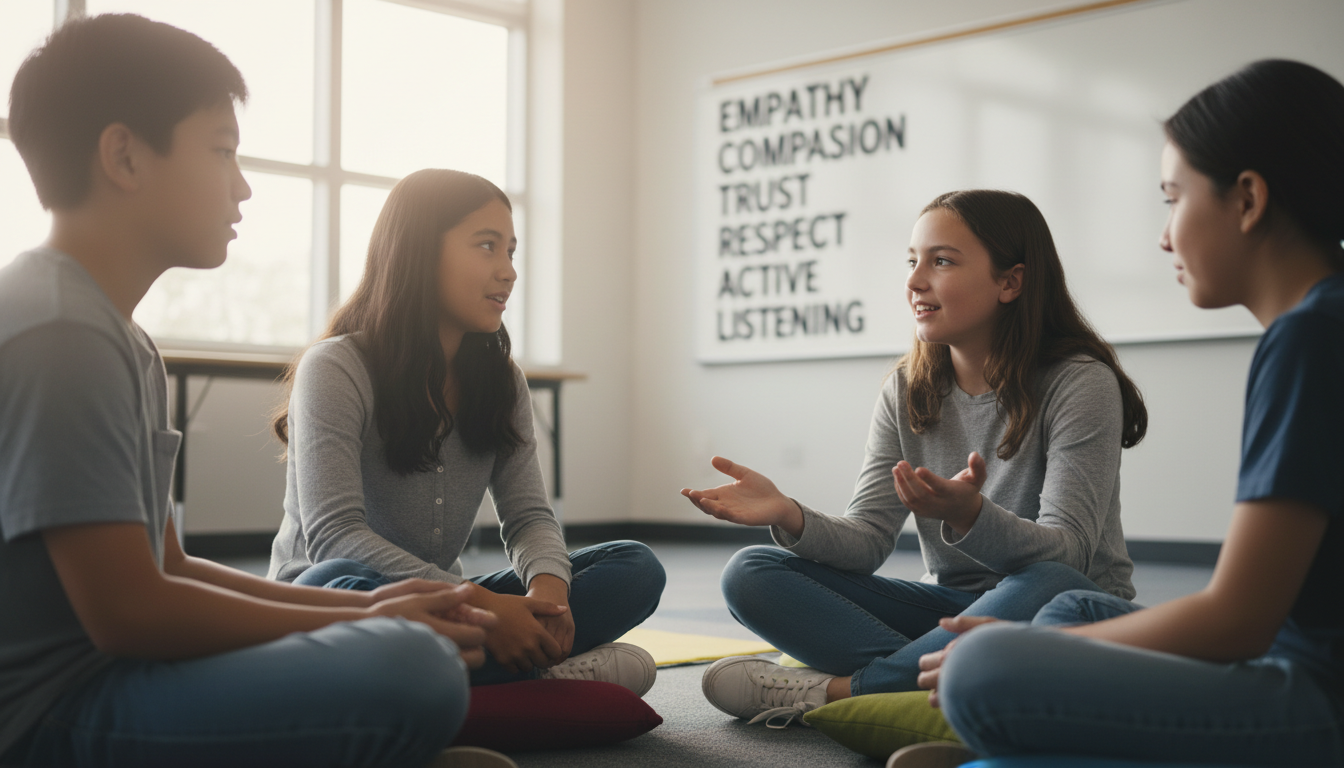
Programs that incorporate SEL often include activities like group discussions, role-playing, and mindfulness exercises. These activities help children understand and manage their emotions, leading to better classroom behavior and improved academic performance.
Outdoor and Nature-Based Learning
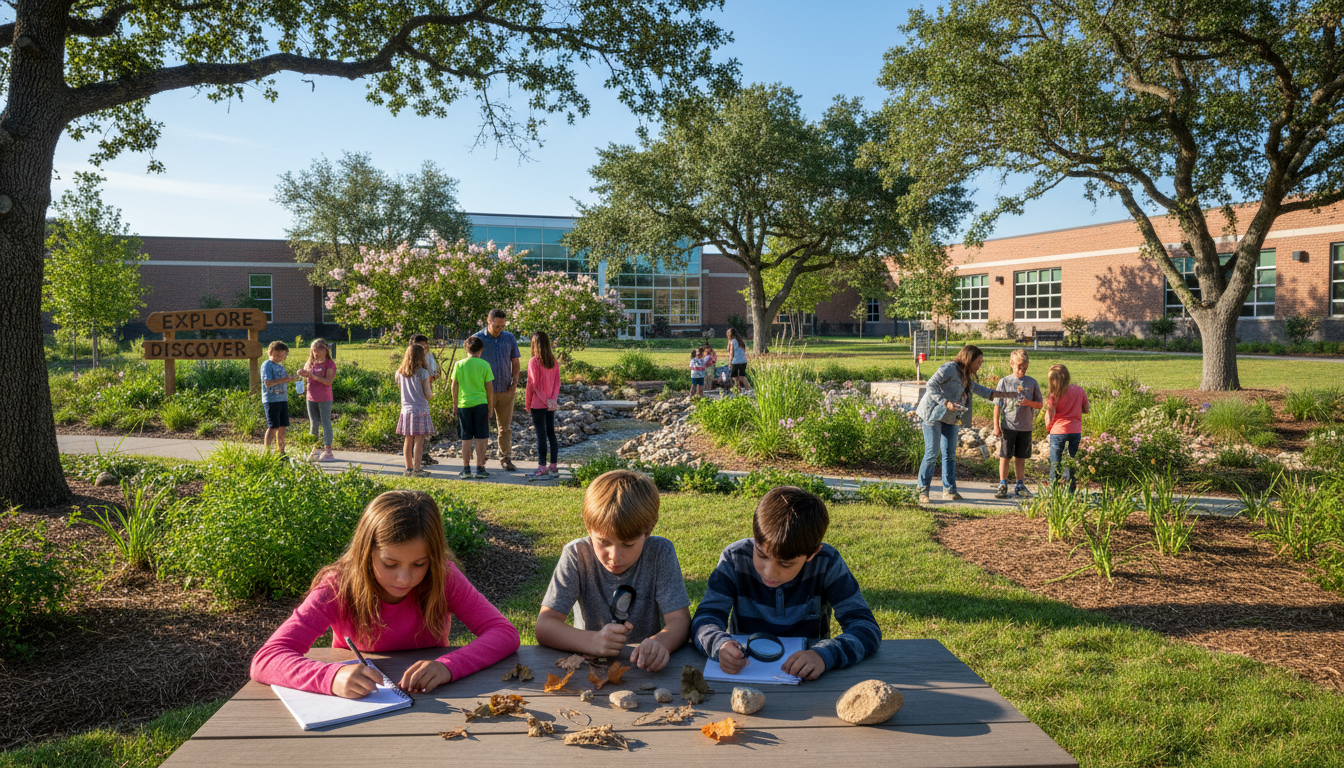
Outdoor and nature-based learning is gaining popularity as educators recognize the benefits of connecting children with the natural world. This trend encourages exploration and curiosity, fostering a sense of wonder and environmental awareness. Activities might include outdoor play, gardening, and nature walks.
Research suggests that time spent in nature can improve physical health, reduce stress, and enhance concentration and creativity. By incorporating outdoor learning, educators can provide a holistic educational experience that supports both mental and physical well-being.
Personalized Learning Approaches
Personalized learning is becoming a cornerstone of early childhood education. This trend involves tailoring educational experiences to meet the individual needs, interests, and learning styles of each child. Educators use assessments and observations to create customized learning plans, ensuring that every child can thrive.
Personalized approaches often include a mix of independent and group activities, allowing children to explore subjects at their own pace. This flexibility helps foster a growth mindset and encourages lifelong learning.
Conclusion: The Future of Early Childhood Education
The latest trends in early childhood education reflect a shift towards more holistic and individualized teaching methods. By embracing technology, focusing on social-emotional skills, incorporating nature, and personalizing learning experiences, educators can create enriching environments that support the development of well-rounded, resilient children.