
Creating a Safe and Nutritious Meal Plan for Preschoolers


Understanding Preschoolers' Nutritional Needs
Preschoolers are at a critical stage of growth and development, making it essential to provide them with a meal plan that is both safe and nutritious. During these formative years, children need a balanced diet that includes a variety of nutrients to support their physical and cognitive development.
It's important to focus on foods that provide energy, support bone growth, and enhance brain function. Key nutrients include proteins, healthy fats, vitamins, and minerals.

Building a Balanced Plate
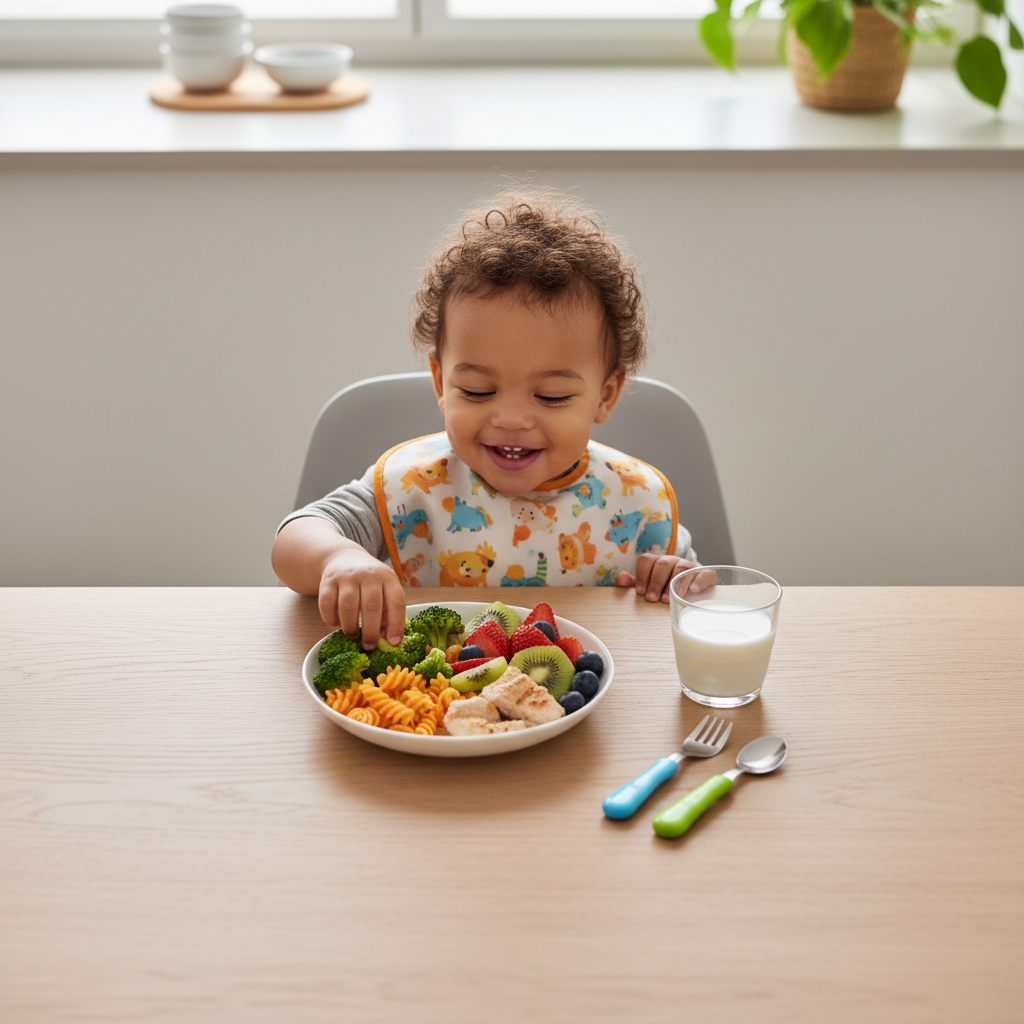
A balanced meal for preschoolers should include a variety of food groups. Aim to fill half of their plate with fruits and vegetables, a quarter with whole grains, and the remaining quarter with lean proteins. This ensures they receive a broad spectrum of nutrients necessary for growth.
Whole grains, such as brown rice and whole wheat bread, provide sustained energy. Lean proteins, including chicken, fish, and beans, are essential for muscle development, while fruits and vegetables offer vital vitamins and antioxidants.
Incorporating Safe Food Practices
Safety is paramount when planning meals for preschoolers. Always ensure that food is properly cooked and stored at the right temperatures to prevent foodborne illnesses. It's also crucial to cut foods into small, manageable pieces to reduce choking hazards.
Encourage your child to sit while eating, and supervise them to ensure they chew food thoroughly. Avoid foods that pose higher choking risks, such as whole grapes or popcorn.
Encouraging Healthy Eating Habits
Creating a positive mealtime environment can foster healthy eating habits in preschoolers. Offer meals and snacks at consistent times each day to establish a routine. Allow children to self-regulate their food intake by listening to their hunger cues.
Involve children in meal planning and preparation. This not only makes them more interested in their meals but also teaches them valuable skills and knowledge about nutrition.
Sample Meal Plan Ideas
Here are some simple meal ideas to get you started:
- Breakfast: Whole grain cereal with milk and sliced bananas.
- Lunch: Turkey and cheese sandwich on whole wheat bread with carrot sticks.
- Snack: Apple slices with peanut butter.
- Dinner: Grilled chicken, brown rice, and steamed broccoli.
Dealing with Picky Eaters
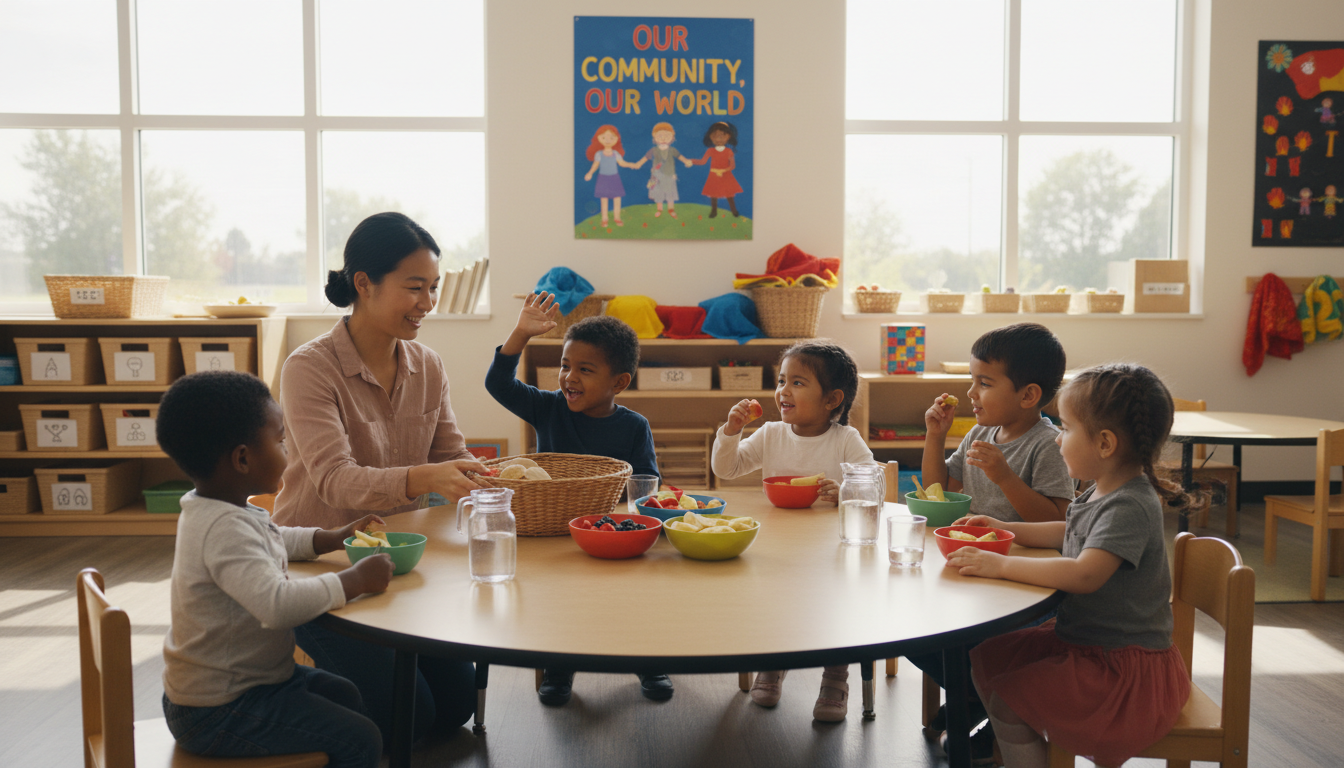
Picky eating is common among preschoolers. To handle this, introduce new foods alongside familiar favorites. Be patient and offer new foods multiple times, as children may need several exposures before accepting them.
Encouragement without pressure can help children develop a willingness to try new foods. Praise their efforts to taste something new, even if they don't finish it.
Monitoring Nutritional Intake
Regularly assess your child's nutritional intake to ensure they are getting the necessary nutrients for their development. Consider consulting a pediatrician or a nutritionist if you have concerns about your child's diet.
Tracking their meals can help identify any gaps in nutrition and provide a clearer picture of their overall eating habits.
Conclusion
Creating a safe and nutritious meal plan for preschoolers is a vital step in supporting their growth and development. By understanding their nutritional needs, practicing safe food handling, and fostering healthy eating habits, you can lay the foundation for a lifetime of healthy eating.